
8 Common Ceiling Fan Replacement Mistakes and How to Avoid Them
Need Professional Ceiling Fan Replacement? Whatsapp us for Help! WhatsApp Us Now!
Choosing the Wrong Fan Size
One common mistake during ceiling fan replacement is selecting the wrong size. Different types of ceiling fans come in various sizes, and choosing one that doesn’t fit the space can affect both airflow and aesthetics. A fan that’s too small won’t circulate air effectively, while one that’s too large might overwhelm the room. To avoid this, consider the room’s size when selecting the fan. For example, 42-inch fans are ideal for small rooms like bedrooms, while 52-inch fans suit medium spaces like living rooms. Proper fan placement is also crucial, as a fan that’s too small won’t create a comfortable environment, while one that’s too large can make a space feel cluttered.
Ignoring Ceiling Height
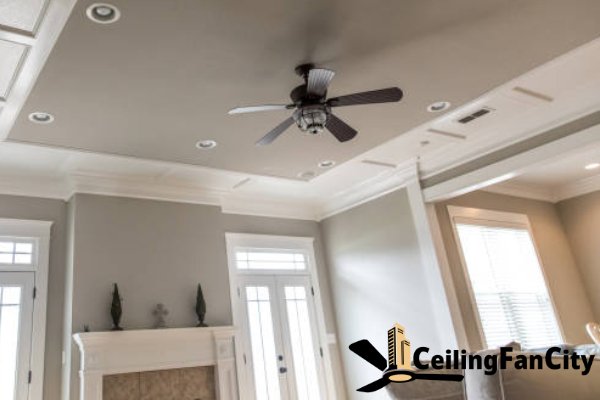
Another common mistake when replacing ceiling fans is ignoring ceiling height, which can affect safety and airflow. It’s best to ensure the fan blades are 8 to 9 feet above the floor for optimal air circulation. If the fan is too high, it will not circulate air properly, while a fan too low can create safety hazards. A downrod can extend the fan to the ideal height in rooms with high ceilings, ensuring proper head clearance and improved airflow. One of the points to consider before installing a ceiling fan is hiring a professional installer. They understand how to handle ceiling height and clearance to ensure safety and efficiency during the replacement process
Not Turning Off the Power
Always verify that the power is completely off before starting the ceiling fan replacement. Failing to switch off the power before replacing a ceiling fan can lead to serious safety hazards. Turning off the circuit breaker at the breaker box is crucial rather than relying solely on the wall switch. This ensures the power is fully cut off before starting the replacement process. Overlooking this step can lead to accidental shocks, posing safety risks to both the installer and the electrical system. Using a voltage tester to confirm no electrical current is flowing to the fan adds an extra layer of safety. Taking these precautions ensures a safer and more efficient ceiling fan replacement process.
Incorrect Mounting

The stability of a ceiling fan depends on proper mounting. Incorrect installation can lead to wobbling or detachment, creating safety risks. To avoid this mistake during ceiling fan replacement, ensure the fan is attached to a suitable mounting bracket and secured firmly to the ceiling. When considering a DIY ceiling fan installation to change your ceiling fan, make sure the fan is positioned at least 7 feet above the floor and 10 inches below the ceiling, with no obstructions like walls or doors nearby. This ensures safety with proper head clearance and effective airflow.
Wiring Errors

Wiring errors are a significant concern during ceiling fan replacement. Incorrectly connecting wires can lead to malfunctions, electrical shorts, or even fire hazards. Take note of the things to consider before purchasing a ceiling fan for replacement purposes, such as the type of motor it has and its wiring. The three basic types of ceiling fan motors are direct drive, belt drive, and universal motors, which have varying electrical requirements. To prevent safety hazards, always follow the wiring instructions that come with the ceiling fan to ensure proper wiring connections. If uncertainty arises during the wiring process, consulting a professional is always a wise decision. They can ensure the wiring is correctly connected, guaranteeing that the ceiling fan operates safely and efficiently without compromising the electrical system.
Skipping the Balancing Step
Balancing the fan blades is often overlooked when replacing a ceiling fan, especially during a DIY ceiling fan replacement. This can lead to wobbling, instability, or inefficient airflow. To avoid these issues, use the balancing kit that comes with the ceiling fan, which usually includes weights to make sure the blades are evenly balanced. Be sure to check that the blades are properly leveled during installation. If wobbling occurs, make adjustments to correct the issue. Balancing the fan properly can help prevent motor wear and costly repairs.
Not Securing the Blades Properly

Not securing the blades properly during a ceiling fan replacement is dangerous. Loose screws can cause rattling and, over time, may lead to the blades detaching completely, creating a safety hazard and significantly affecting airflow. A proper ceiling fan replacement can improve indoor airflow and make a space safer by ensuring all screws are tightened securely during installation to keep the blades in place. Regular maintenance is also important, as it helps identify any looseness that may develop. By addressing these issues early, potential problems can be prevented, and the fan’s efficiency can be maintained.
Not Testing Before Final Assembly
Testing the fan before completing the final assembly is a common oversight that can lead to unnecessary rework. If problems arise after fully assembling the fan, disassembling it for troubleshooting can be time-consuming and frustrating. Testing the wiring and motor briefly before securing all components helps avoid this hassle. A benefit of installing a ceiling fan that’s new is that it improves airflow, enhances the room’s aesthetic appeal, and complements the home’s interior. Therefore, ensuring everything is working properly before final assembly will save time and effort in the long run.
Contact Ceiling Fan City Singapore for Professional Ceiling Fan Replacement Services
When it comes to ceiling fan replacement, working with professionals can simplify the process and eliminate many concerns. Contact Ceiling Fan City Singapore to work with experienced technicians who understand the details of installation and ensure the job is done correctly. Our team can also help you choose the right ceiling fan for your space, considering factors like size, design, and efficiency. With our portfolio of projects, we can guide you in making the right choice, avoiding common mistakes, and ensuring the replacement fan meets your needs.
Conclusion
Ceiling fan replacement is an important task that can greatly improve both the comfort and aesthetics of a space. Several common mistakes can affect the effectiveness of the replacement process. Understanding and avoiding these common mistakes will ensure a hassle-free ceiling fan replacement. From selecting the correct fan size to ensuring proper wiring and mounting, every step plays a role in the fan’s efficiency and safety. Considering these factors carefully and engaging a professional ceiling fan installation when necessary can lead to a more satisfying outcome.
Ceiling Fan City Singapore provides a one-stop supply and installation of high-quality ceiling fans, wall fans/wall mount fans, and corner fans in Singapore. Our professionally trained electricians make sure that your ceiling fan installation and replacement are well-handled and will last for a long time without any need for repair. Ceiling Fan City Singapore offers affordable and reasonable pricing, with no hidden costs. Check out our articles to have a wider view of the products, services, and ceiling fan brands we offer. Contact us today for a reliable ceiling fan service. WhatsApp us at +65 8241 0032.